
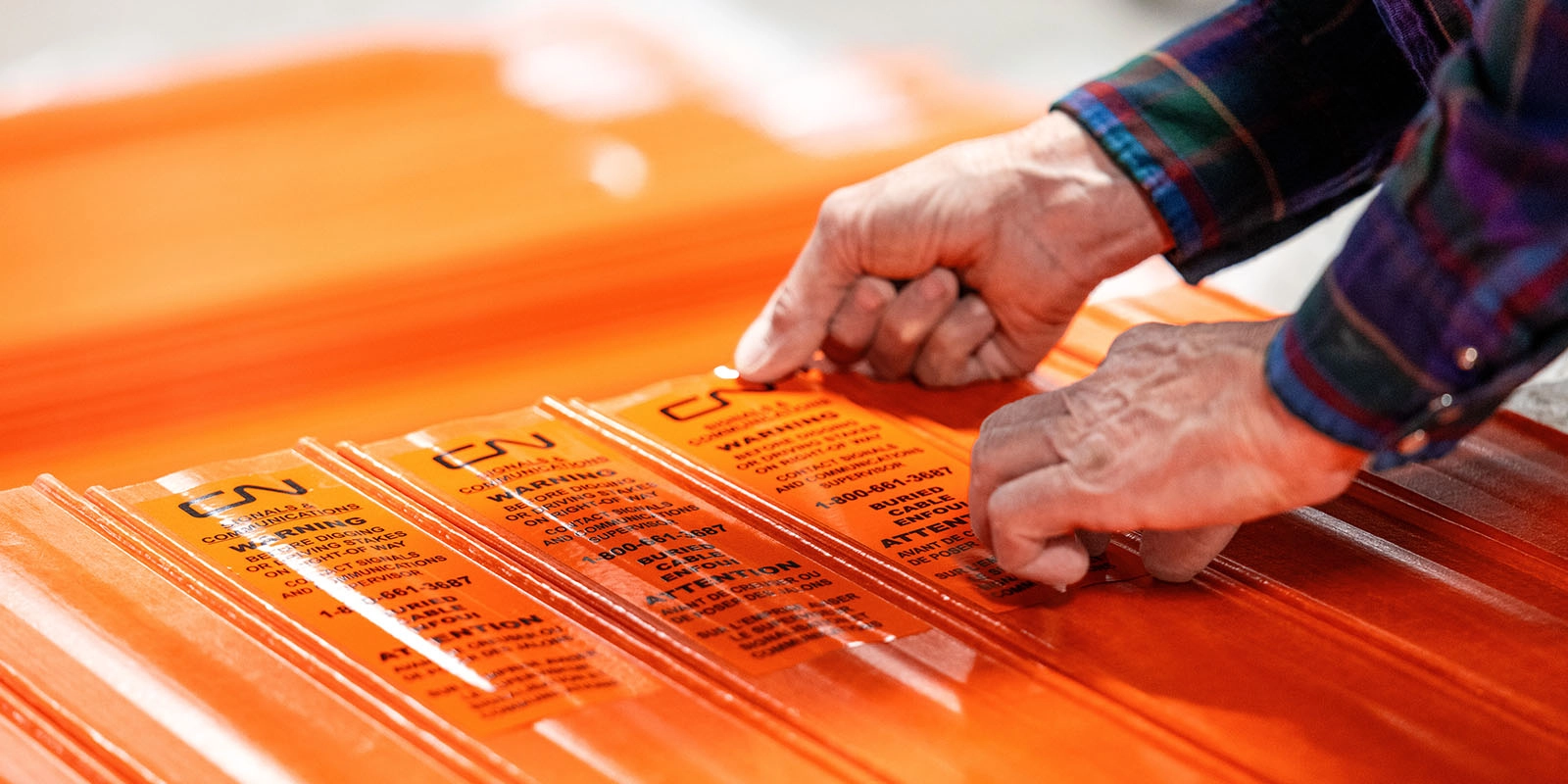
Utility Marking Products: How to Choose the Right Solution for Your Facility
What’s underground shouldn’t be an accident waiting to happen.
A buried gas line. An unmarked electrical cable. A utility route that was clearly identified years ago but has since faded from view. These overlooked details can turn routine maintenance or excavation into an expensive, potentially dangerous problem.
For industrial facilities, utility plants and maintenance teams, knowing what’s beneath the surface is just as important as managing hazards above it.
From permanent utility marker posts to temporary flags, corrosion-monitoring systems and safety signage, utility marking products help identify buried infrastructure, communicate hazards and protect critical assets.
But which products are right for your facility? That depends on what you’re identifying, how long the marking needs to last and the conditions on-site.
4 Types of Utility Marking Products — At a Glance
Different applications call for different solutions. Here’s how the four primary categories compare.
| Product Type | Primary Purpose | Best Applications | Key Advantages |
| Round and Flat Utility Markers | Long-term above-ground identification | Buried utilities, property boundaries, fiber routes | High visibility, corrosion resistance, minimal maintenance |
| Cathodic Protection and Tracing | Supports corrosion monitoring and system testing | Pipelines, buried tanks, underground steel structures | Non-intrusive testing, long-term asset protection |
| Marking Flags and Tape | Temporary utility and hazard identification | Excavation, construction, maintenance | Quick installation, multiple colors, easy removal |
| Safety Signs and Decals | Hazard communication and area identification | Industrial plants, utility facilities, restricted areas | Customizable messaging, durable materials, compliance options |
1. Round and Flat Utility Markers: Built for Long-Term Visibility
When infrastructure is buried, its location shouldn’t become a guessing game.
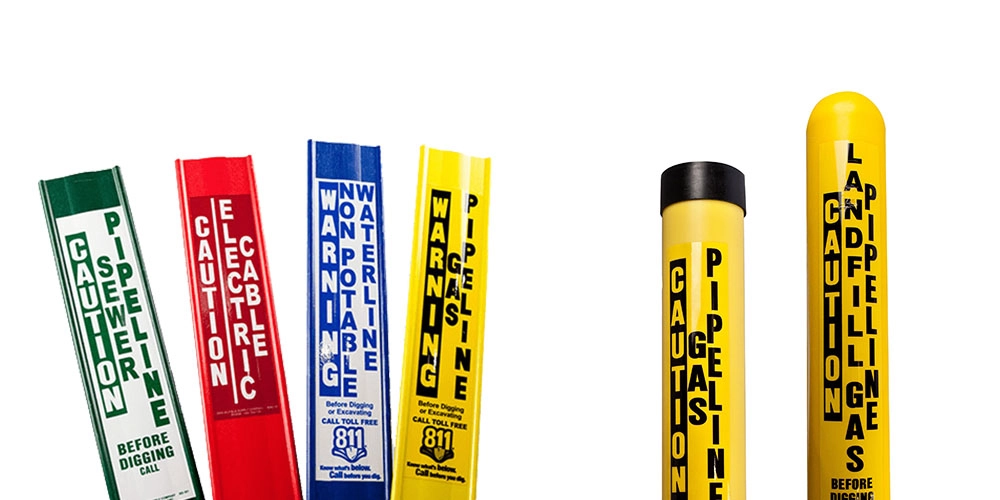
Round and flat utility markers provide visible, above-ground identification for underground utility lines, fiber optic cables, property boundaries and other assets.
Available in multiple sizes and materials, these high-visibility, corrosion-resistant markers are designed for demanding outdoor conditions and minimal maintenance.
Round utility markers offer recognizable post-style identification, while flat utility markers provide decal space on both sides for displaying important information from multiple directions. Both styles are designed for installation in challenging soil conditions.
Best applications:
- Gas line and underground utility marking
- Fiber optic cable routes
- Property and facility boundaries
- Long-term infrastructure identification
- Trail and recreational area marking
What to consider: Think about visibility, the information you need to display and environmental conditions. A marker along a remote utility corridor may require a different approach than one inside a busy industrial facility.
2. Cathodic Protection and Tracing: Protecting What You Can’t See
Excavation isn’t the only threat to buried infrastructure. Corrosion can also compromise underground metal assets, often without visible warning.
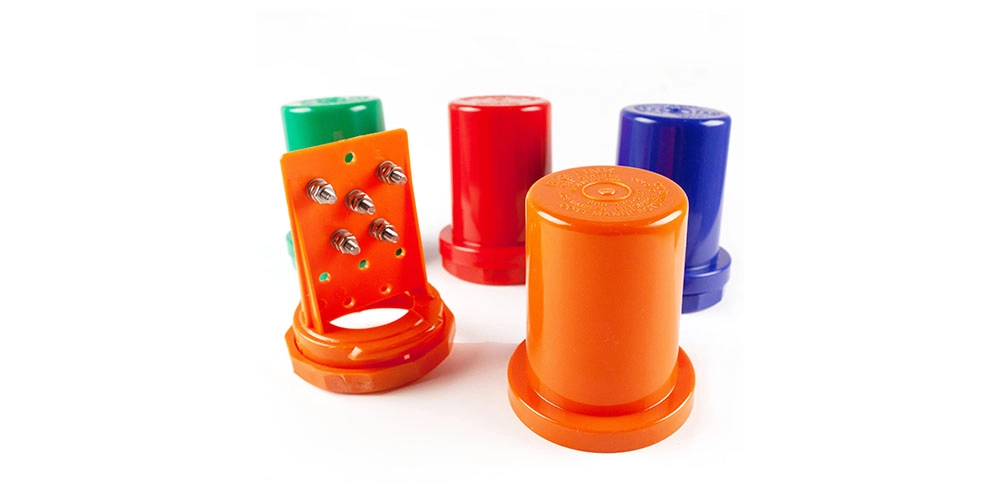
Cathodic protection solutions support testing and monitoring of underground steel structures, helping maintenance teams assess corrosion protection system performance.
Available in multiple configurations, these products are compatible with pipeline, cable and tank systems. They support non-intrusive field testing and can integrate into new or existing infrastructure.
Unlike utility markers, which identify locations, cathodic protection and tracing products serve a monitoring and asset-protection function.
Best applications:
- Underground steel pipelines and buried tanks
- Industrial utility infrastructure
- Corrosion protection monitoring programs
- New and existing underground systems
What to consider: Start with the type of buried infrastructure and its monitoring requirements. The right configuration should support reliable testing while fitting into your facility’s maintenance practices.
3. Marking Flags and Tape: Fast, Flexible Identification
Sometimes a warning needs to be highly visible today but gone when the job is finished.
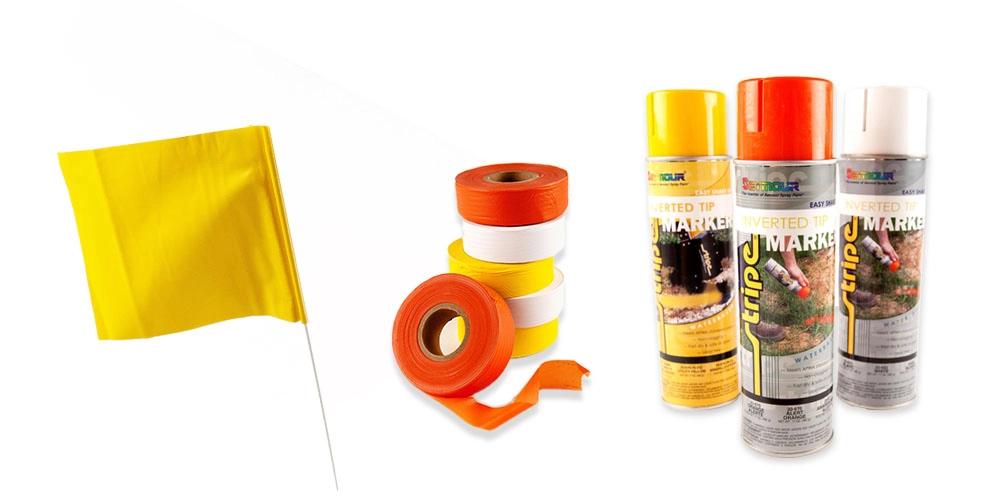
Utility marking flags and utility marking tape offer a simple, cost-effective way to identify underground utilities, alert workers to hazards and define temporary work areas.
Lightweight and easy to install or remove, these products come in a wide range of colors, with plain, preprinted and custom-printed versions available.
Best applications:
- Excavation and digging projects
- Temporary utility line marking
- Construction and maintenance activities
- Underground hazard alerts
What to consider: Select colors and messaging that align with applicable utility marking conventions and facility procedures. Consider weather, equipment traffic and how long the markings must remain visible.
Temporary flags and tape should complement established utility locating procedures, not replace them.
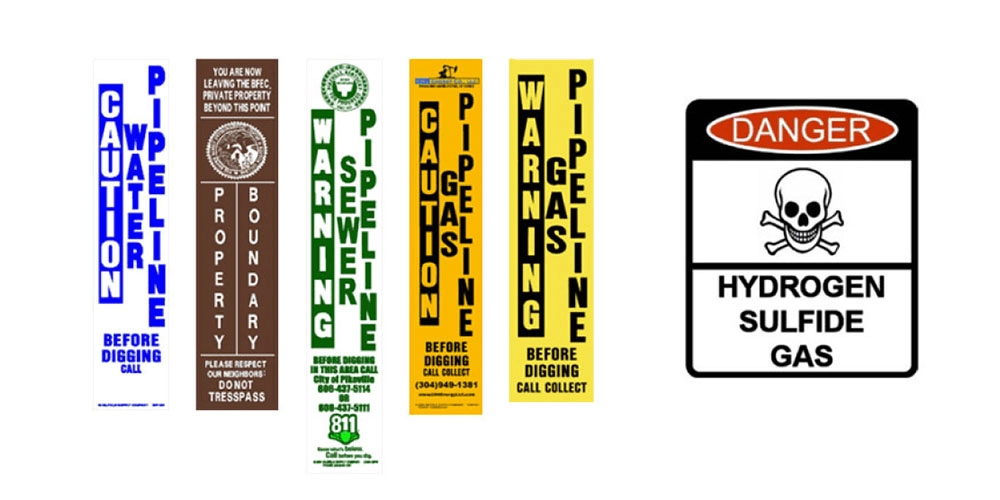
4. Safety Signs and Decals: Clear Warnings Where They Matter
Some hazards require more than a colored marker. Workers, contractors and visitors may need specific warnings or instructions before entering an area or performing a task.
Utility safety signs and utility safety decals help communicate that information clearly.
Stock signs offer quick turnaround, while customized options come in various sizes, layouts and vinyl materials. OSHA- and ANSI-compliant signage options are also offered, with durable vinyl that resists fading and peeling.
Best applications:
- Utility equipment identification
- Restricted or hazardous areas
- Industrial plants and processing facilities
- Electrical and utility safety warnings
- Facility-wide hazard communication
What to consider: Is the sign identifying equipment, communicating a hazard or restricting access? Choose messaging, placement, size and materials that make the information easy to recognize and understand.
Five Questions to Ask Before Choosing Utility Marking Products
Not sure where to start? These questions can help narrow your options.
- What needs to be identified or protected? A buried fiber optic line, an underground steel pipeline and a restricted equipment area each have different requirements. Identify the asset or hazard before selecting a product.
- Is the marking temporary or permanent? Flags and tape work well for short-term projects. Durable utility markers and permanent signage are better suited for ongoing identification.
- What conditions will the product face? Outdoor exposure, soil conditions, equipment traffic and corrosion potential can influence material selection and long-term performance.
- Do you need identification, monitoring or both? Utility markers communicate location. Cathodic protection solutions support corrosion monitoring. Some assets benefit from both.
- How will markings be maintained? Facility changes, new installations and everyday wear can affect visibility and accuracy. Include utility markings in routine inspections to keep information current.
Don’t Let Utility Marking Become an Afterthought
Utility marking often gets attention during installation or excavation. But what happens after the project ends?
Facilities change. Infrastructure expands. And markings can become damaged, obscured or outdated.
Regularly reviewing utility markers, maintaining corrosion-monitoring systems and updating safety signage help prevent costly oversights. Remember, visible markings are only part of safe excavation planning. Always follow applicable 811 notification requirements, utility locating procedures and site-specific safety protocols before digging.
The goal isn’t simply to mark what’s underground. It’s to make sure the people working above it have the information they need.
Find the Right Utility Marking Solution with OSCO Safety
From utility marker posts and cathodic protection solutions to marking flags, tape and safety signage, OSCO Safety helps facilities identify hazards and protect critical infrastructure.
Not sure what fits your application?
We’re here to help. Explore utility marking products.
Contact OSCO or request a quote to discuss your needs. Or call 304-949-1381 to speak with a safety partner.